As 2026 draws closer, seniors and families in Sun City Center, FL, are turning their attention to the evolving lifecare community landscape. The search for security, comfort, and peace of mind has never been more important.
This guide gives you the tools and confidence needed to explore every lifecare community option. Discover what sets these communities apart, how to assess personal needs, compare levels of care, manage financial planning, and make informed decisions.
Stay ahead of future trends, embrace the promise of aging in place, and take the next steps toward a vibrant, worry-free lifestyle.
Understanding Lifecare Communities in 2026
The concept of a lifecare community is reshaping senior living in Sun City Center, Florida. As the region experiences a surge in retirees, the lifecare community model offers a comprehensive solution for those seeking security, comfort, and flexibility as they age. Understanding what sets these communities apart is the first step in making informed choices for the future.

What Defines a Lifecare Community?
A lifecare community is designed to offer seniors a seamless living experience that adapts to changing needs. These communities go beyond traditional retirement settings by providing a full continuum of care, all within one campus. This includes independent living, assisted living, memory care, skilled nursing, and rehabilitation services.
The core philosophy is "aging in place." Residents can transition between different care levels as their needs evolve, without the disruption of moving to a new location. This stability brings peace of mind to seniors and their families.
Key components of a lifecare community include:
- Independent living: For active seniors who want maintenance-free homes and vibrant social opportunities.
- Assisted living: Support with daily tasks like bathing, dressing, or medication reminders.
- Memory care: Specialized environments for those with cognitive challenges.
- Skilled nursing and rehab: Short-term and long-term medical care, therapy, and recovery services.
Amenities often found in a lifecare community include chef-prepared dining, fitness centers, cultural programs, transportation, and landscaped outdoor spaces. Social engagement, lifelong learning, and wellness initiatives are prioritized.
The demand for lifecare communities is rising rapidly in Florida, mirroring nationwide trends. According to recent reports, the number of seniors seeking these options is expected to grow by over 20 percent by 2026. Compared to stand-alone facilities, a lifecare community offers greater flexibility, cost predictability, and a stronger sense of belonging.
Regulatory changes for 2026 emphasize higher quality standards, improved staffing ratios, and advanced safety protocols. These updates reinforce the commitment to resident well-being.
For further insights into how lifecare communities compare with other senior living models, explore this Senior Living Options Comparison guide.
Evolution of Lifecare Communities: Trends and Innovations
The lifecare community landscape is evolving rapidly to meet the needs of tomorrow’s seniors. Technological advancements are a key driver. Smart home features, such as voice-activated controls and remote health monitoring, are becoming standard. Telehealth services connect residents with healthcare providers from the comfort of their own apartments.
Wellness and engagement programs are also expanding. There is a greater focus on personalized care plans, with activities tailored to residents’ interests and health goals. Fitness classes, art workshops, and cultural outings are integrated into daily schedules.
Sustainability is another emerging priority. Many lifecare communities are adopting eco-friendly building materials, energy-efficient systems, and recycling initiatives to promote a healthier environment.
The projected adoption rate for lifecare communities is expected to increase significantly by 2026, driven by demographic shifts and longer life expectancies. As more seniors seek autonomy and community, Sun City Center is responding by updating facilities and expanding service offerings.
In summary, the lifecare community model in Sun City Center is adapting to provide more choice, comfort, and peace of mind for residents and their families. Staying informed about these changes ensures that seniors can confidently navigate their options.
Assessing Your Needs: Steps to Determine the Right Fit
Choosing the right lifecare community in Sun City Center, FL begins with a clear, step-by-step assessment of personal and family priorities. Each senior’s journey is unique, and understanding your evolving needs will ensure a more fulfilling experience. Use these five steps as a roadmap to confidently evaluate your options.

Step 1: Evaluate Current and Future Health Needs
Begin by honestly assessing your current health status, including mobility, chronic conditions, and any recent hospitalizations. Family input is valuable, as loved ones can help identify needs you might overlook.
Common health concerns such as diabetes, arthritis, or memory loss often influence the type of support required in a lifecare community. Early conversations with primary care physicians or specialists can provide a professional perspective on the level of care you may need, both now and down the road.
Make a list of daily activities you manage independently and those where you might need assistance. This proactive approach helps ensure the lifecare community you choose can accommodate both your present and future health needs.
Step 2: Identify Lifestyle Preferences and Social Goals
A lifecare community should support not just your health, but also your happiness. Consider what truly matters to you: Are you looking for vibrant social activities, lifelong learning opportunities, or access to wellness classes? Many communities in Sun City Center offer fitness programs, art workshops, and group outings designed to foster engagement.
Think about your must-haves, such as pet-friendly policies, diverse dining options, or transportation services for local excursions. Reviewing independent living options, like those highlighted in Independent Living in Sun City Center, can give you a sense of what’s available for an active, independent lifestyle within a lifecare community.
Building connections and pursuing interests are essential for long-term satisfaction, so prioritize communities that align with your personal goals.
Step 3: Consider Location and Proximity to Family
Location plays a significant role in your overall satisfaction within a lifecare community. Staying close to Sun City Center or the greater Tampa Bay area means you can enjoy familiar surroundings, as well as easy access to local healthcare providers, shopping, and recreation.
Evaluate the neighborhood’s safety, walkability, and reputation. Proximity to family members is also important, as regular visits can enhance your emotional well-being and help maintain strong bonds.
Think about transportation options, both within the lifecare community and to nearby attractions. Ensuring convenience and accessibility now can make daily life more enjoyable and support your independence for years to come.
Step 4: Review Support Systems and Family Involvement
A robust support network is vital when transitioning to a lifecare community. Family participation in the decision-making process fosters confidence and peace of mind for everyone involved.
Explore the community’s policies on family visits, overnight stays, and communication tools. Many communities offer virtual meeting options or regular family events to keep loved ones engaged.
Ask how the staff encourages ongoing family involvement, such as care meetings or resident councils. These features can help ensure that your support system remains strong and active throughout your time in the lifecare community.
Step 5: Plan for Changing Needs Over Time
One of the greatest advantages of a lifecare community is the ability to age in place, even as care needs change. Look for communities that provide a full continuum of services, from independent living to assisted living, memory care, and skilled nursing.
Discuss how transitions are managed between care levels. Smooth, well-supported changes can reduce stress for both residents and families. For example, some communities offer personalized transition plans and on-site rehabilitation, making it easier to move from one level of care to another seamlessly.
By planning ahead, you ensure the lifecare community you select remains a good fit, offering stability and comfort for years to come.
Comparing Levels of Care: Independent, Assisted, Memory, and Skilled Nursing
Choosing the right level of care within a lifecare community is a crucial decision for seniors and their families in Sun City Center, FL. Each care level is designed to meet specific needs, preferences, and health requirements. Understanding these differences helps ensure a seamless experience as residents age in place, maintaining comfort and security throughout their journey.

Independent Living: Features and Benefits
Independent living within a lifecare community is ideal for active seniors seeking a maintenance-free lifestyle. Residents enjoy private apartments or cottages, access to dining venues, and vibrant social calendars.
- Housekeeping, laundry, and maintenance services are included.
- Wellness programs, fitness centers, and cultural events promote engagement.
- Transportation, security, and emergency response systems provide peace of mind.
This level is best for individuals who do not require daily medical assistance but value community connections and convenience. By starting in independent living, residents benefit from the full continuum of care offered by a lifecare community, ensuring support is available if needs change.
Assisted Living: When and Why to Consider It
Assisted living in a lifecare community supports those needing help with daily activities while maintaining as much independence as possible. Signs that this level may be appropriate include difficulty with medication management, bathing, or dressing.
- Trained caregivers provide 24/7 support tailored to individual needs.
- Nutritious meals, mobility assistance, and social activities are standard.
- Safety protocols and emergency call systems are prioritized.
Choosing assisted living within a lifecare community allows residents to remain in familiar surroundings as their needs evolve. This approach offers families reassurance, knowing loved ones are cared for by compassionate professionals.
Memory Care: Specialized Support for Cognitive Health
Memory care is a specialized service within a lifecare community, designed for individuals with Alzheimer’s or other forms of dementia. These environments promote dignity, security, and engagement through structured routines and individualized programs.
- Secure areas prevent wandering and enhance safety.
- Staff receive advanced training in dementia care.
- Therapeutic activities stimulate memory and social interaction.
For a deeper understanding of these specialized services, explore Understanding Memory Care Services. Memory care within a lifecare community ensures residents receive compassionate, expert attention tailored to their unique needs.
Skilled Nursing and Rehabilitation: Medical and Recovery Needs
Skilled nursing and rehabilitation provide the highest level of medical care within a lifecare community. This level supports seniors recovering from surgery, illness, or managing chronic health conditions.
- Licensed nurses and therapists deliver personalized care plans.
- On-site physical, occupational, and speech therapy accelerate recovery.
- Residents benefit from round-the-clock monitoring and medication management.
One advantage of a lifecare community is the ability to transition smoothly between care levels as health needs change. This continuity prevents unnecessary moves, reduces stress, and fosters a sense of belonging for residents and their families.
Financial Planning for Lifecare Communities
Financial planning is central to making an informed decision when choosing a lifecare community in Sun City Center. Understanding the financial landscape will help ensure peace of mind for both seniors and their families, both now and in the years ahead.

Understanding Pricing Models and Contracts
Lifecare community pricing structures vary, so it is crucial to compare options carefully. Most communities offer either all-inclusive or fee-for-service models. All-inclusive pricing covers a wide range of services under one predictable monthly fee, while fee-for-service models allow residents to pay only for the services they use.
| Model | Description | Typical Inclusions |
|---|---|---|
| All-Inclusive | One monthly fee for most services | Housing, meals, housekeeping, basic care |
| Fee-for-Service | Pay as you go for each service | Housing plus optional add-ons |
Entrance fees are common in many lifecare community contracts. These upfront payments often secure a spot and may be partially refundable. Monthly rates can depend on apartment size, care level, and included amenities. Always review what is bundled, such as dining, transportation, and wellness programs. For further insight into financial planning and what to expect, see Assisted Living Facilities Costs and Benefits.
Long-Term Affordability and Value
Evaluating the long-term value of a lifecare community means looking beyond the initial costs. While entrance and monthly fees may seem high, they often include services that would cost more if paid separately, such as meals, housekeeping, and access to medical care.
Comparing the cost of a lifecare community with in-home care or other senior living options can clarify the true value. Predictable pricing models help families budget with confidence. According to recent industry reports, the financial outlook for life plan and lifecare models remains stable, but it is important to be aware of economic trends and potential shifts. For a deeper analysis, review Life Plan Communities Face Neutral Outlook in 2026.
Navigating Insurance, Medicare, and Medicaid
Understanding what insurance covers is essential when planning for a lifecare community. Medicare typically covers only short-term rehabilitation and medical care, not long-term residency or custodial support. Medicaid may assist with some costs, but eligibility requirements are strict and vary by state.
Long-term care insurance can help offset expenses if purchased well in advance. Be sure to ask each lifecare community about accepted insurance plans and available financial aid programs. Some communities offer guidance on applying for benefits and explain what is included in their care packages. This preparation ensures that families are not caught off guard by unexpected out-of-pocket expenses.
Planning for the Unexpected
Even with careful planning, changes in health or financial circumstances can occur. Setting aside an emergency fund provides a buffer for unforeseen events, such as hospitalizations or sudden increases in care needs.
Review refund and cancellation policies before signing a contract. Some lifecare community agreements allow for partial refunds of entrance fees under certain conditions. Discuss with your family how transitions between care levels will be handled, especially if a rapid move from independent living to skilled nursing becomes necessary. Proactive planning and open communication can make all the difference in maintaining stability and peace of mind.
The Decision-Making Process: Touring, Questions, and Final Steps
Selecting the right lifecare community in Sun City Center is a pivotal decision for seniors and their families. Taking a structured approach ensures you gather accurate information, compare your options, and make a choice that aligns with your long-term goals. This process involves diligent research, thoughtful tours, open communication, and careful planning for a smooth transition.
Researching and Shortlisting Communities
Begin your search for a lifecare community by gathering information from trusted sources. Online directories, local resources, and referrals from friends or healthcare providers are valuable starting points. Consider current and emerging trends in senior living, such as enhanced wellness programs and technology integration, as discussed in 2025 Trends in Senior Living.
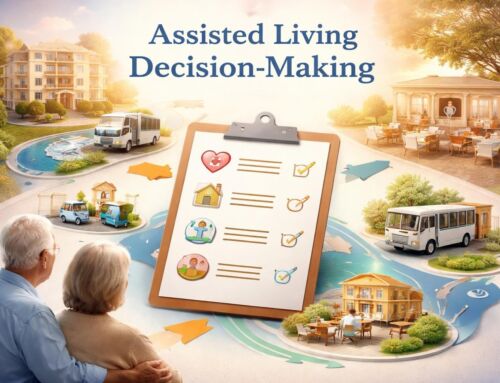
Create a checklist to compare communities on key factors:
- Levels of care available
- Amenities and lifestyle programs
- Location and proximity to family
- Reputation and resident satisfaction
- Safety and security measures
Compile your findings in a table for a side-by-side comparison. This organized approach simplifies the process and ensures no important detail is overlooked when considering a lifecare community.
Scheduling Tours and What to Look For
Once you have a shortlist, schedule tours with each lifecare community. Many offer both in-person and virtual options. During visits, observe the environment closely. Are the common spaces clean and inviting? How do staff interact with residents? Ask about daily routines, activity calendars, and resident engagement.
Prepare questions in advance, such as:
- What is the staff-to-resident ratio?
- How are care transitions handled?
- Are there personalized engagement opportunities, reflecting Three Emerging Trends Shaping Life Plan Community Marketing in 2026 and Beyond?
Take notes and photos, if permitted, to help recall details later. Bring a family member or friend for a second perspective. This step is crucial for evaluating the lifecare community environment and ensuring it matches your expectations.
Making an Informed Choice
After touring, review your notes and compare the pros and cons of each lifecare community. Use a simple table to weigh factors like amenities, care levels, and location. Include input from family members to ensure the decision reflects all perspectives.
| Factor | Community A | Community B | Community C |
|---|---|---|---|
| Care Options | Yes | Yes | No |
| Amenities | Excellent | Good | Moderate |
| Location | Close | Moderate | Far |
| Staff Reputation | High | Good | Average |
Before signing any contracts, review all documents carefully. Seek legal or financial advice if anything is unclear. Understanding each lifecare community's policies can help you avoid surprises and make a confident, informed decision.
Transitioning Smoothly to Community Living
Planning the move to a lifecare community is an important final step. Start by organizing paperwork and packing personal belongings. Many communities offer orientation sessions and support services to help new residents settle in.
Family involvement eases the transition. Attend welcome events, meet neighbors, and take part in activities to build connections. Adjusting to a new environment can take time, but with support and open communication, most residents quickly feel at home in their chosen lifecare community.
A smooth transition is possible when you take each step thoughtfully, prioritize comfort, and embrace the new opportunities Sun City Center has to offer.
As you consider the many factors involved in choosing the right lifecare community—like care options, financial planning, and opportunities for an active lifestyle—it's natural to want firsthand experience before making such an important decision. At Sun Towers Retirement Community, you can explore how our independent living, assisted living, memory care, and skilled nursing services come together to support true aging in place. See firsthand how our dedicated staff and welcoming environment can help you or your loved one thrive. If you’re ready to take the next step, Contact Us Today for a Free Tour.